How Proper Drainage Enhances Commercial Roof Performance
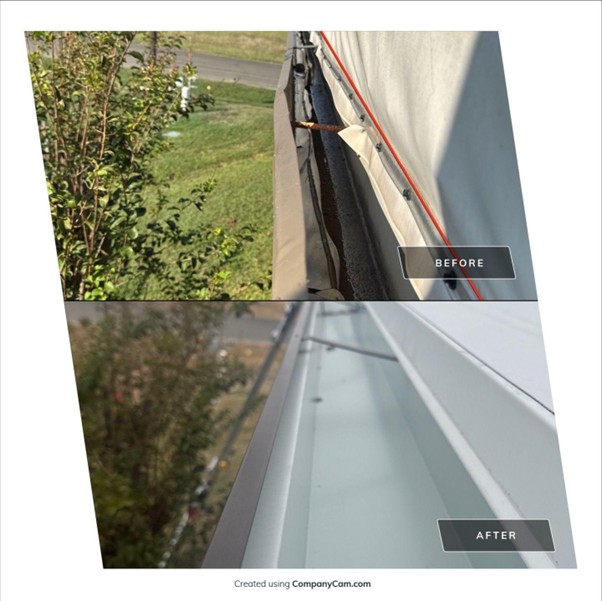
Your commercial roof needs proper drainage so that rain doesn’t collect and cause damage. This is especially important for flat roofs where pooling can occur. By guiding water away, proper commercial roof drainage can protect the structure and extend its lifespan by up to 50%.
Why does proper drainage matter for commercial roofs?
Well-designed drainage systems for flat roofs can remove rainwater quickly and safely. Without proper drainage, pooling can slowly damage the roof membrane and affect the insulation beneath it. That standing water can also add significant, potentially destabilizing weight to your roof. It can weigh around 2,000 pounds per square foot across a 20-square-foot area in some cases, and that extra load puts a lot of stress on the roofing structure and increases the likelihood of damage over time.
An effective commercial roof drainage system helps you prevent these issues by directing water away from the roof before it has time to accumulate. When water flows off the surface efficiently, the roofing materials remain in better condition, and the underlying structure stays protected. In addition, proper commercial roof drain installation helps keep your commercial building durable and reliable for many years.
How does poor drainage impact roof performance?
As commercial roofers, we’ve seen how poor drainage can create a range of serious problems and affect a roof’s performance over time. Here’s what could happen if you have poor roof drainage:
-
Moisture intrusion and water leaks
Standing water increases the risk of leaks, especially when moisture seeps through the small cracks and seams in your roofing membrane. That water can eventually reach your building’s insulation and interior spaces.
-
Roofing material deterioration
Constant exposure to water can weaken your roofing materials. Over time, you’ll notice the membrane blistering and cracking, or even separating. All this reduces the roof’s ability to protect your building.
-
Structural stress or sagging
Pooled water adds significant weight to your roof. This extra load can strain your roof deck and supporting structure, sometimes leading to sagging areas.
-
Increased maintenance costs
When you have poor drainage systems for flat roofs, you may have to call Waco roofers more frequently for repairs and maintenance work. This can increase your long-term operating expenses down the road.
What are the types of commercial roof drainage systems?
-
Internal roof drains
Internal drains are installed at specific points across a roof, often in central areas where water naturally collects. For them to work properly, the roof needs to slope toward those drains so water flows into them instead of pooling on the surface. Commercial roofers also pair internal drains with scuppers in some cases to help move water off the roof more efficiently.
-
Scuppers
Scuppers are usually installed along the roof edge, often built into your building’s parapet walls, so they can work as a backup drainage system during heavy rain.
-
Gutters and downspouts
Gutters collect water along your roof edge. Meanwhile, downspouts carry that water safely to the ground. If you have a larger building, you may need wider downspouts or multiple outlets to handle higher water volumes.
-
Overflow drains
When your building’s primary drains become blocked, overflow drains can release the excess water to reduce the risk of ponding.
What are the signs of drainage problems on commercial roofs?
Drainage issues often appear through visible warning signs. When you know what they look like, you can take action right away to prevent more serious roof damage that could lead to a complete commercial flat roof tear-off.
- Ponding water lasting more than 48 hours – This usually means poor drainage or an uneven roof surface
- Ceiling or wall stains – Discoloration on your ceilings or walls may suggest that moisture has entered the building because water is collecting on your roof.
- Clogged drains – Everything from leaves to debris and dirt can block your roof drains and prevent water from flowing off the surface properly.
- Roof sagging – If certain areas of the roof look lower than the surrounding surface, that could mean the structure has been under stress for a while. This often happens when water sits on the roof for long periods and adds extra weight.
- Slow water runoff – your drainage system may not be working as efficiently as it should if water takes a long time to drain away.
Also Read: Which Is Better for Your Commercial Roof—Coating or Replacement?
How Clark Roofing supports better drainage performance
We can take a look and recommend practical drainage solutions if you’re concerned about how well your roof handles rainwater. Here at Clark Roofing, we design and install commercial roof drainage systems that keep water moving off your roof properly.
Here are the services we offer to help keep your commercial roof safe and performing well for years:
- Professional inspections
- Drainage assessments
- Maintenance planning
- Timely repair and restoration
- Long-term performance improvement
Call us today at 254-374-4477 for a professional roof drainage evaluation.