Commercial Roof Maintenance Guide for Property Owners
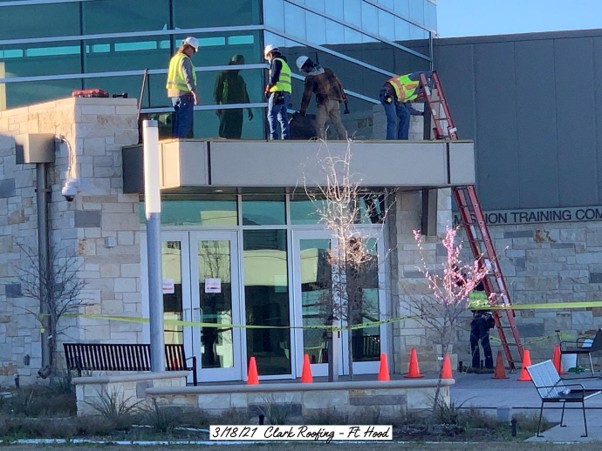
Your commercial roof deals with changes in temperature and weather conditions every day. Over time, that exposure can wear down your roofing materials and create small problems that can eventually affect your building.
Regular roof maintenance helps you catch those problems before they become more serious. With proactive roof care from professional roofers in Waco, you can protect your property from leaks and damage, as well as unexpected repair costs. And if you’re planning a commercial building construction project, it also makes sense to decide how the roof will be maintained before handover.
Protecting your business starts with a well-maintained roof
Regular roof care lets you protect everyone and everything inside the building, from your employees and customers to equipment and inventory. That’s why a good roof maintenance plan should be part of your property’s maintenance routine.
Even a small roofing issue can cause problems and disrupt your operations if you leave it unattended. For instance, a minor leak can let moisture reach the insulation and harm everything from the ceilings to electrical systems. Over time, it may even damage your equipment. Water can also create slippery areas and force you to close parts of your building while a commercial building contractor completes repairs.
The only way to identify these problems early is with regular roof maintenance.
Taking care of smaller issues early can also help reduce your repair costs. With this proactive approach, you can protect your property and reduce the chances of a roofing problem causing bigger and more expensive repairs down the road.
Build a practical roof maintenance plan.
Make sure that your maintenance plan is based on the type of roof you have, its age, as well as its condition and any warranty requirements. A professional roofer can help you with this. Once everything is in order, they can also arrange regular inspections and routine maintenance at set intervals.
During inspection, commercial roofers can look for any issue that can let water into your building, such as damaged roofing materials and drainage problems. They will also keep records of previous inspections and repairs. This history can help you identify areas that need closer attention, especially if the same section of your commercial roof keeps developing leaks and other problems.
In addition to regular checks, you can also count on professional roofers to perform seasonal checks. Seasonal changes can affect your roof, so you should schedule checks as conditions change throughout the year. Likewise, you should arrange checks after severe storms and other extreme weather that could damage your commercial roof. All this is part of good roof maintenance to help protect your roofing and extend its lifespan.
Commercial roof inspection checklist
Having a roofing maintenance checklist ensures that roofers can cover your entire roof system, so they won’t miss anything.
- Roof surface and membrane – While checking these parts, your roof should look for all signs of wear, such as cracks and loose materials.
- Drains and gutters, as well as scuppers – These are the areas where debris and dirt can accumulate and cause drainage problems.
- Ponding water – Roofers will check your roof for standing water to find signs of poor drainage or low spots thatcan increase the risk of roofing damage.
- Rooftop equipment – Check the areas around your HVAC units and other roof penetrations to finddamaged seals and flashing that could allow water inside your building.
- Interior signs of water damage – Roofers can also check indoors to look out for signs that may indicate that water has already made its way inside, such as water stains and mold.
By keeping this roofing maintenance checklist as part of your roof maintenance routine, you can easily spot problems early and address them before they cause more extensive damage.
Keep a record of inspections, repairs, and roof conditions
Good record keeping can help you manage commercial roof maintenance. When you have one source of truth, you can easily verify the work the contractors completed and where problems occurred. Likewise, you can check if the same issues keep returning.
This is why it’s important to take the time to organize your roof maintenance records and include:
- Inspection and repair records – Note everything, from inspection dates to findings and the repair records. Likewise, include the contractors who did the job.
- Roof details – Record the roofing material and its installation date so you can easily keep track of the warranty.
- Warranty information – Keep copies of warranties and note any inspection or maintenance requirements you need to follow to keep coverage valid.
- Photos of roof conditions – Take before-and-after photos of the damage and repair work done.
- Recurring problem areas – Note the places where leaks or damage repeatedly appear. With a repair history, you can help your roofing contractor investigate the underlying cause if the same area keeps causing problems.
Roof issues you should check after a major storm
Hail and strong winds can put considerable stress on your commercial roof, even during a short storm. Windblown debris can then add to the damage.
The problem is that you can’t always tell that there’s storm damage on your roof. It might look fine from the ground, but there may already be s small punctures or damaged flashing letting moisture get underneath the roofing system. You might not notice a leak in your building until days or even weeks later.
That’s why you should always arrange a roof inspection after a major storm as part of good commercial roof maintenance. With a professional roofer, you can easily find the signs of damage and address them as soon as possible:
- Leaks or water stains on ceilings and walls or other interior areas
- Damaged flashing
- Punctures and surface damage
- Lost roofing materials
- Ponding water
Conclusion
Regular roof maintenance can help you protect your property and avoid preventable roofing problems. Routine inspections give you the chance to spot early signs of wear, and timely repairs can stop minor damage from developing into a larger and more expensive issue.
Keep detailed records of everything, from inspections and repairs to recurring problems, so you always know your roof’s condition. You should also arrange for additional checks after a major storm, just in case there’s any damage.
Taking a proactive approach to roof maintenance can help you stay ahead of repairs and protect your commercial property in the long run. If you need professional help with inspections, repairs, or ongoing maintenance, Contact Clark Roofing to discuss your commercial roofing needs.
Sources:
https://www.ssroofinginc.com/commercial-roof-maintenance/the-importance-of-commercial-roof-maintenance/