
The Truth About Metal Roofing: How Long Does It Really Last?
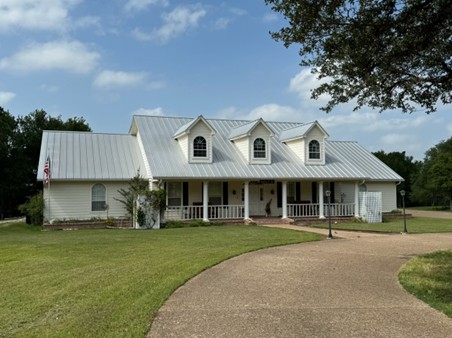
In Texas, metal roofing has become a top choice because it’s long-lasting and can endure tough climate conditions — high heat, strong sun, heavy rain, hail, and strong winds — without getting damaged easily or wearing out quickly. If you are planning a roofing upgrade yourself, you may be wondering: how long do metal roofs last?
At Clark Roofing, you can trust our roofing contractors in Waco, TX, to help you select the right metal roofing system for your home and make sure that it will last for years to come. Read on as we break down what you need to know about the life of a metal roof in Texas, so you can make an informed choice to use it.
Average lifespan of metal roofs
The longest-lasting metal roofs are those that have been properly installed and maintained, and they can survive for anywhere from 40 to 70 years (and possibly longer). Still, not all metal roofs age the same way. For instance, the average aluminum roof lifespan is significantly shorter than that of copper. Ultimately, the material you choose can impact how long your roof will hold up, especially in a hot, storm-prone climate like Texas.
Here’s a quick breakdown of average lifespans by metal type:
| Galvanized steel | 15 to 20 years in harsh climates |
| Galvalume or coated steel | 40 to 70 years |
| Copper | 70 to 100+ years |
| Aluminum | 40 to 60 years |
| Zinc | 80 to 100+ years |
Panel systems, standing seam vs screw down
When choosing a metal roof for metal buildings in Waco, TX, you often have to compare standing seam and screw-down (exposed fastener) systems.
Standing seam panels lock together with hidden fasteners, giving you a metal roof with a smooth, modern look. With clips beneath the seams, the metal can expand and contract with temperature changes, preventing leaks and reducing wear over time. They often create the longest-lasting metal roof, exceeding 50 years, even with minimal maintenance.
With screw-down systems, you’ll need visible screws and washers to attach the panels directly to your roof deck. This makes installation faster and more affordable upfront. That said, the panels can’t move freely with heat changes, making the fasteners loosen over time and increasing the chances of leaks. They tend to need more upkeep over time and may not last as long as standing seam metal roofs.
Types of metal roofing & their lifespan
Steel roofing (Galvalume)
Galvalume steel roofing is treated with a special aluminum-zinc coating that makes it last anywhere from 40 to 70 years. Aluminum forms a protective barrier that blocks moisture and oxygen, while zinc provides sacrificial protection by corroding first and shielding the steel underneath.
Aluminum roofing
The average aluminum roof lifespan ranges from 40 to 60 years. You won’t see any rust, since the material forms a natural oxide layer that seals the surface and blocks moisture. That’s why it’s a great choice in humid or coastal environments where steel can break down faster. With basic care, your aluminium roof should reach the upper end of its lifespan.
Copper & zinc (premium metals)
Copper: 70 to 100+ years
Zinc: 80 to 100+ years
If you’re asking “how long do metal roofs last,” and which materials have the longest lifespan, copper and zinc are strong choices. Copper develops a natural patina that protects the metal underneath, so it renews itself (unlike paint). This helps your roof last anywhere from 70 to 100 years and possibly more. You can even check copper roofing in historic buildings from more than a century ago to confirm how durable it can be.
Zinc also forms a protective patina, but it can ‘heal’ small scratches on its own. This helps minimize corrosion on your roof, as proven by many European buildings with zinc roofing from over a century ago. Weathering studies also show extremely low corrosion rates, even in coastal or polluted areas.
Factors that impact how long a metal roof lasts
If you’re still wondering how long metal roofs last, it pays to look at the factors that can affect their lifespan:
Quality of installation
Even the best materials can fail early when your roof has poor underlayment or improperly installed flashing.
Roof slope and design
Did you know that the angle of your roof influences how well it drains? Flat or low-slope roofs tend to let water and debris sit longer, which can cause more wear over time. Steeper roofs let rain and debris slide off more easily.
Protective coatings and finishes
While different metals age at different rates, you could prolong your metal roof’s lifespan with special coatings like Galvalume. It will improve your roof’s resistance to corrosion and weather exposure, helping it maintain its appearance under intense sun and seasonal storms.
Regular inspections and maintenance
A metal roof may be low-maintenance, but they still need your attention if you want to extend its lifespan. Be sure to clear gutters and remove debris, and schedule professional inspections after major weather events.
Ventilation
Ventilation helps keep the space under your roof dry and cool. If air doesn’t circulate, heat can build up and damage the roof panels, while moisture can collect and lead to condensation, which might cause water damage or mold over time.
How Clark Roofing helps Texas homeowners
At Clark Roofing, we ensure that you get a long-lasting roof with quality materials and proper installation. If you’re thinking about metal roofing, give us a call at 254-374-4477 to schedule a complimentary inspection or get tailored guidance about metal roofing.
FAQs
Aren’t metal roofs noisy?
Not when installed correctly. With a solid roof deck and proper insulation, metal roofing produces about the same noise level as traditional shingles.
Will a metal roof weigh down my home?
Metal roofing may actually reduce the load on your structure, given how surprisingly lightweight it can be. Depending on the gauge and profile, steel panels typically weigh just 0.7 to 1.3 pounds per square foot. That makes them lighter than 2 to 2.5-pound asphalt shingles or 10-pound clay tiles.
Can metal roofing give me better long-term value than a shingle roof?
Yes, because metal roofs last longer and need fewer repairs over time.