
Understanding the Different Types of Roof Repairs for Your Home
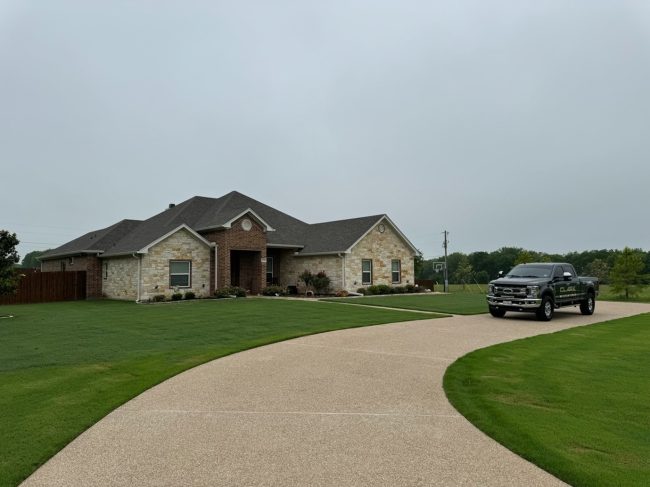
A well-maintained roof is essential to keeping your home protected and energy efficient, as well as structurally sound. That’s why you should always pay attention to early signs of damage instead of addressing problems only when they have become disruptive and costly to fix.
At Clark Roofing, we offer residential roofing repairs to help you keep your home secure through every season. This guide introduces the main types of roof repairs that can help you address small concerns before they escalate. By understanding these services, you can take quick action to prevent unnecessary damage and extend the lifespan of your roof.
Weather challenges in Texas
Texas weather places constant pressure on your roof. Understanding these conditions is key to keeping your home protected.
Summers are extremely hot, with temperatures often climbing well above 100°F. Your roof is your first line of defense against this extreme heat, but prolonged exposure will cause shingles and other materials to dry out and crack. In turn, this damage makes your roof more prone to leaks.
Hailstorms can also damage all kinds of roofing — denting metal panels, cracking tiles, or punching holes in asphalt shingles. Once the surface is compromised, your roof becomes exposed to more serious damage from water or wind.
And during seasons of heavy rainfall, a roof with poor drainage or clogged gutters can cause water to collect and seep into your home, leading to wood rot, mold, and interior damage.
Strong winds also pose a risk to your roof. Sudden wind gusts can lift shingles and loosen flashing or damage roof decking, especially when you live in a tornado-prone zone. Even persistent moderate winds can shorten your roof’s lifespan.
Because these weather patterns are so common across the state, regular inspections and timely repairs by a professional residential roofing contractor are essential. With urgent roof repairs, you can maintain the strength of your roof and prevent minor problems from turning into expensive damage.
Understanding the different types of roof repairs for your home
Shingle repairs
Shingles shield your roof from harsh weather, but they can loosen or crack due to harsh weather conditions, or even wear down because of age. When this happens, replacing the affected shingles restores your roof’s protection. Contractors like Clark Roofing can provide a roof repair solution that will help keep future issues at bay.
If only a few shingles are damaged, a simple replacement is enough. When the wear is widespread or the shingles are reaching the end of their lifespan, a larger repair may be required. Regular inspections can help spot these problems, while prompt roof repairs and restoration will prevent them from becoming worse.
Roof leak repairs
Protecting your home starts with stopping leaks early. Our roofing contractors will thoroughly inspect your roofing to find the source, then make the necessary repairs that may involve sealing openings or updating flashing. By addressing leaks right away, you can prevent structural and interior damage.
Flashing repairs
This is one of the types of roof repair that will address the damage on the joints and transitions around your home’s chimneys and skylights, as well as valleys. When flashing corrodes or pulls away, water can slip in. Our team may reseal the area or install a new one to keep your roof stable and reduce the risk of moisture problems down the road.
Gutter repairs
Gutters guide water away from your home, so issues like leaks, sagging, or even broken joints need prompt attention. We may seal holes or add hangers, and/or replace damaged pieces when necessary. Our team will also clean your roof’s gutters so it’s easier for us to spot problems.
Storm damage repairs
Even small problems can turn into costly roof repairs and restoration after severe weather. With a professional assessment, you can identify the damage caused by wind or debris. With early evaluation, your insurance may even cover some repair costs.
Ventilation system repairs
Damaged vents trap heat and moisture, leading to problems in your roof and attic. The only way to restore proper airflow is by repairing the vents and sealing the gaps. With this step, you can also protect your home from mold problems and improve its cooling efficiency.
Conclusion
Understanding the different types of roof repair helps you stay ahead of issues and protect the long-term condition of your home. Clark Roofing offers support across every stage of residential roof care, from identifying early concerns to completing reliable repairs. Our focus on thorough inspections and precise workmanship helps extend the life of your roof and safeguards your home from preventable damage.
If you need help with a current roofing issue or want professional guidance, we’re ready to assist. Contact us today to discuss the roof repair solutions that best match your home’s needs and ensure lasting protection.
FAQs
How do I know whether my roof just needs repairs and not a replacement?
Watch for missing shingles or active leaks, as well as for sagging spots or water stains inside your home. Our team offers free inspections to determine whether a repair will be enough or if a full replacement will provide better long-term protection.
Can’t I handle roof repairs on my own?
You can probably manage small tasks like cleaning gutters or swapping out a loose tile. But for anything more serious, it’s best to call in a professional. Without the right tools or experience, you risk injuring yourself or making the problem worse. Poorly done repairs can lead to bigger issues down the line and may even result in a full roof replacement that could’ve been avoided.
What are the signs that my roof is damaged after a storm?
Look for loose or missing shingles and dented gutters, as well as granules collecting in your downspouts. Check for water spots and discoloration on the ceilings inside your home. If anything looks unusual, arrange a free inspection right away.
Will my homeowner’s insurance cover roof damage?
Insurance policies usually cover sudden damage caused by events such as heavy storms or fallen branches. Reviewing your policy helps you understand what’s covered before a problem occurs.
What should I do if I see granules in my gutters?
A small amount is normal, especially after a new roof installation. But too much could mean that your roof’s shingles are deteriorating. Give us a call so we can determine the actual cause and address the issue promptly.