
Why Residential Homeowners Are Choosing Low-Slope Roofing
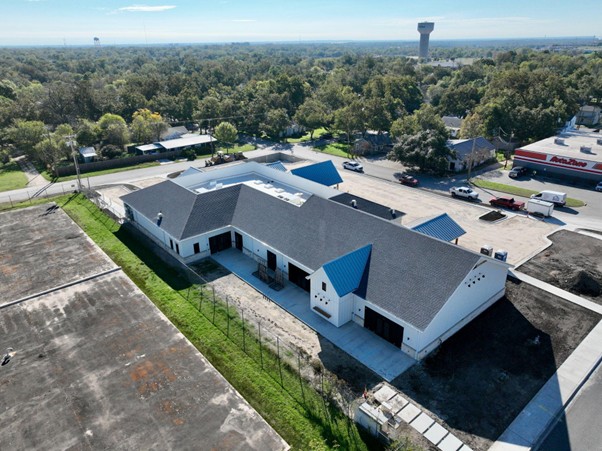
Did you see a low slope roof pitch on a modern home, and are now wondering how it works? This style is common in modern architecture, where residential low-slope roofing adds both visual appeal and functional benefits. The roof may appear flat, but it actually has a slight angle to direct water away from the surface and prevent water buildup, protecting the home from moisture-related issues.
When designed and installed correctly with the right materials and drainage systems, a low-slope flat roof can enhance your home’s look and value. And with an experienced residential roofing contractor like Clark Roofing, you can create low-slope systems that are reliable, durable, and tailored to their homes.
What is a low-slope roof?
A low-slope roof has a gentle angle rather than the steep pitch you typically see on traditional homes. The incline can range from 1:12 to 4:12, meaning the surface rises 1 to 4 inches for every 12 inches of horizontal distance. Most building codes and Waco roofing companies classify any pitch below 3:12 as a low-slope system. While it may appear nearly flat from a distance, the subtle incline is intentional and helps direct water off the roof.
Many modern residential low-slope roofing systems use a pitch of about ¼ inch per foot of run. This slight rise helps reduce the risk of ponding, which can strain materials and lead to leaks.
Top benefits of low-slope roofing for homeowners
-
It’s more energy efficient
It’s easier to insulate the surface of a low-slope roof to help your home remain comfortable year-round. With better insulation, you’ll notice reduced heating and cooling costs. This roofing style also enhances your home’s curb appeal and long-term property value.
-
Versatile roofing system
Low-slope roofing was once mostly seen on commercial buildings, but today it’s a practical and affordable choice for homes as well. No matter your preferred architectural style, this roofing design can work well while keeping costs and maintenance in check.
-
Low-maintenance
The roof’s gentle pitch simplifies upkeep and routine inspections. With materials like TPO and PVC, you can enjoy a stronger, more durable roof that withstands tough weather. This durability means you’ll do fewer repairs over the years, making it a sensible long-term solution.
-
Cost-effective
Installing and maintaining a low-slope flat roof will save you money simply because it uses fewer materials and typically requires less labor. You won’t have to worry about the roof’s durability and performance, especially when it’s installed by a qualified roofing contractor.
-
Weather-resistant
For as long as it’s built using durable materials and sound structural methods, a low-slope roof can protect your home year-round, even during severe weather. It stands up well to high winds, heavy rain, and hail when installed correctly, providing lasting durability and peace of mind.
Best low-slope roofing materials
TPO roofing: TPO (thermoplastic polyolefin) is a popular single-ply membrane known for its bright, reflective surface that helps reduce cooling costs in warm climates. It installs similarly to PVC and, when done correctly, can last around 25 years. TPO is an excellent option when you want your roof to reflect heat over your living area, so you can keep your space cooler in the summer.
EPDM roofing: EPDM (ethylene propylene diene monomer) is a durable synthetic rubber membrane available in black or white. The black version absorbs heat, making it more suitable for garages or storage areas rather than occupied rooms. Known for its strength and long service life, EPDM typically lasts 25 to 30 years. With proper installation, you can expect this low-slope roofing to perform much longer.
PVC roofing: PVC (polyvinyl chloride) is a single-ply white membrane designed to reflect heat and resist fire and chemicals, as well as punctures. It has been a trusted option since the 1960s, known for keeping indoor spaces cooler during warm months. Most PVC roofs last between 20 and 30 years when installed properly.
Which materials fit different budgets and climates?
TPO is an affordable choice, especially if you’re concerned about heat accumulating indoors, while EPDM is a versatile solution across a range of budgets if you want a roof that performs well in both cold and moderate climates. PVC is a good choice if you want your roof to be extra durable and capable of reflecting heat well.
Common concerns and misconceptions about low-slope roofs
Drainage concerns
Are you worried that a low-slope roof can’t drain water effectively? While these roofs have a gentler pitch, they are engineered with enough slope to move water toward drains or gutters. Issues such as ponding or debris buildup typically occur only when your roof lacks maintenance or was installed incorrectly. At Clark Roofing, our qualified roofing contractors will work with you to design a system with proper drainage that keeps water flowing off the roof.
Leak prevention
Another misconception is that a low-slope flat roof leaks more often than steep roofs. The reality is that the pitch of your roof has nothing to do with how prone it will be to leaks. It’s usually because of aging materials and poor installation, or even neglected maintenance. When your roof is properly installed, it will have high-quality membranes and drainage components designed to keep water moving. This helps prevent ponding, which can lead to leaks, mold, and interior moisture damage over time.
Maintenance myths versus reality
You might think that low-slope roofs require constant attention, but that’s far from the truth. Much like any other roofing type, they simply need routine checks — and doing that is easy because the low slope allows easier access, making inspections straightforward and safe for roofing contractors.
Modern materials such as TPO and PVC make your roof better at withstanding weather stress and daily exposure. As a result, maintenance is usually minimal — mostly clearing debris and inspecting flashings and drains. With consistent care, a low-slope roof can deliver long-term performance without the need for constant repairs.
Also Read – Does Your Roof Have the Right Slope for Shingles? What Homeowners Should Know
Conclusion
At Clark Roofing, we bring you our technical skill and local experience to build a durable, high-performing residential low-slope roofing system. Our team assesses your needs to recommend the right materials and install a system designed for long-term reliability and weather protection.
If you’re considering a low-slope roof or want an expert opinion on residential steel roofing, give us a call at 254-374-4477 to schedule a consultation or inspection.