
Why Roof Decking Is Essential for a Strong Roof
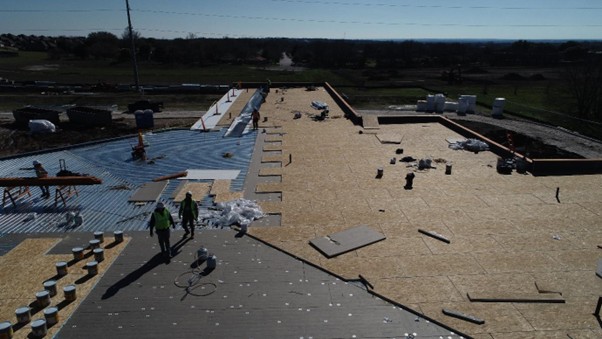
What is roof decking?
Think of roof decking as the base layer that sits underneath everything else on your roof. It’s the surface that covers the structural frame and creates a solid foundation for the rest of the roofing system.
This is the layer that supports your shingles or metal panels. Without a roof on deck, those materials wouldn’t have anything stable to attach to, which is why roof decking plays such an important role in keeping your roof secure and properly built.
Why roof decking is important for structural strength
You now know the answer to what roof decking is. But do you know why your structure needs it? Its role in keeping your building intact is actually much bigger than you think. Here’s why:
Provides structural support for the entire roof
The decking ties your whole roofing system together. It sits on top of the frame and creates a solid surface that helps maintain your roof’s shape and strength.
Helps distribute weight evenly
Your roof deals with constant pressure from rain, wind, and even debris. With a roof on deck, you can spread that weight across the structure instead of letting it concentrate in one area, which reduces stress on the frame.
Acts as a base for roofing materials
The shingles or metal panels you use need a firm surface to stay in place. Roof decking gives them that support, so you know everything stays properly aligned and secure.
Enhances overall roof durability
When your decking is in good condition, your entire roof holds up better over time. It adds an extra layer of strength that helps your roof handle daily wear and changing weather conditions.
Types of roof decking
-
Plank decking
Plank decking uses long, rectangular wooden boards similar to what you’d see at a hardware store. This was more common before plywood became widely used. You won’t see it as often nowadays, but some older homes still have this type of decking in place.
-
Plywood decking
Plywood is what you’ll find on most roofs these days, and it comes in two types: CDX and OSB.CDX plywood is designed specifically for exterior use. The ‘CDX’ rating refers to the quality of the wood layers and their ability to handle moisture exposure. It’s easy to cut and shape, so you can use it on different roof designs. You’ll also find it the most affordable option, although it’s not the most resistant to long-term moisture damage. On the other hand, OSB or oriented strand board is made by compressing and bonding wood strands in layers. This creates a strong, uniform panel without weak spots that can lead to sagging. However, OSB tends to hold onto moisture longer, which can increase the risk if you don’t protect it properly.
-
Metal decking
You’ll often see metal decking in commercial buildings such as offices and retail spaces. Since it’s often made of steel or aluminum, you might appreciate its strength and fire resistance.
How does a roofing contractor replace roof decking
The way a commercial roofing contractor like Clark Roofing handles your roof decking depends on how much damage they find. Sometimes it’s a quick fix, but there are times when they might have to replace your roof decking.
Minor repairs (patching damaged areas)
If the damage is small and limited to a specific spot in your roof or deck, the contractor can remove that section and patch it with new decking. This works well when the rest of the roof is still in good condition.
Partial replacement (localized damage)
When the issue affects a larger area but not your entire roof, the contractor will replace the damaged sections of decking while keeping the rest intact. This helps restore strength, and you don’t have to spend more money to replace your roof decking.
Full replacement (severe structural issues)
If your decking is badly weakened or damaged across the roof, a full replacement is usually the safest option. In this case, your contractor removes the roofing materials to replace all components and installs a new roofing system to ensure that everything is solid and secure.
When should you replace roof decking?
During a roof replacement
If you’re already replacing your roof, it’s also the perfect time to check the decking underneath. It’s a good idea to replace any damaged or weak parts to help ensure that your new roof has a solid base from the start.
After water damage
There’s a good chance that your roof decking has already been affected when you’ve had leaks or ongoing moisture issues. Wet or rotting decking won’t hold up well, so replacing it is often necessary to prevent further problems.
When structural integrity is compromised
If your roof on the deck feels soft or looks warped, it’s no longer reliable and can’t support weight properly. In cases like this, replacing it is the safest way to restore the strength and stability of your roof.
How much does roof decking cost?
The cost of roof decking can vary, but in most cases, you’re looking at around $2 to $5 per square foot. That said, how much you pay will depend on a few factors:
Material types
The type of decking you choose makes a difference. Plywood and OSB are generally more affordable, while other materials can push the price higher.
Labor costs
Labor can vary based on your location and how complex the job is. If your roof is harder to access or requires more time to work on, that can increase the overall cost.
Extent of the damage
Naturally, the cost will be lower if you only need to replace a small section of your roof decking. But if the damage is widespread and requires a larger repair or full replacement, you can expect the price to go up.
Roof size and accessibility
You’ll need more time and materials for a larger roof. Likewise, steep slopes or difficult access can also add to your cost, as they make the job more challenging for us.
Get expert roof decking services from Clark Roofing today
If you’re in Waco, TX, reach out to Clark Roofing for a professional inspection and an accurate roof decking estimate. Get started by giving us a call at 254-374-4477.
FAQ
Can roof decking affect the insulation in my roof?
Yes, it can. The type of decking you have plays a part in how well your roof handles heat. Materials like wood and composite can help reduce heat transfer, which keeps your indoor temperature more stable and can improve energy efficiency.
Does load-bearing matter when choosing a decking type?
It definitely does. Different materials can handle different amounts of weight, and that directly affects your roof’s strength. Plywood and OSB work well for most homes because they offer solid support at a reasonable cost. For a larger metal building in Waco, TX, you’ll need something that offers more strength, such as metal.
Will my roof decking impact my roof’s warranty and longevity?
Yes, your decking choice can affect both. Roofing systems usually come with specific guidelines from the manufacturer, including what materials you can use and how everything should be installed. If those requirements aren’t followed, it can void your warranty.
How can I ensure a proper roof decking installation?
It starts with hiring a contractor who knows what they’re doing. Proper installation involves accurate sizing and correct spacing between panels, as well as secure fastening. When everything is installed correctly, your roof decking will perform better and last longer without issues.