
Single-Ply vs Built-Up Roofing: Choosing the Best Option for Commercial Buildings
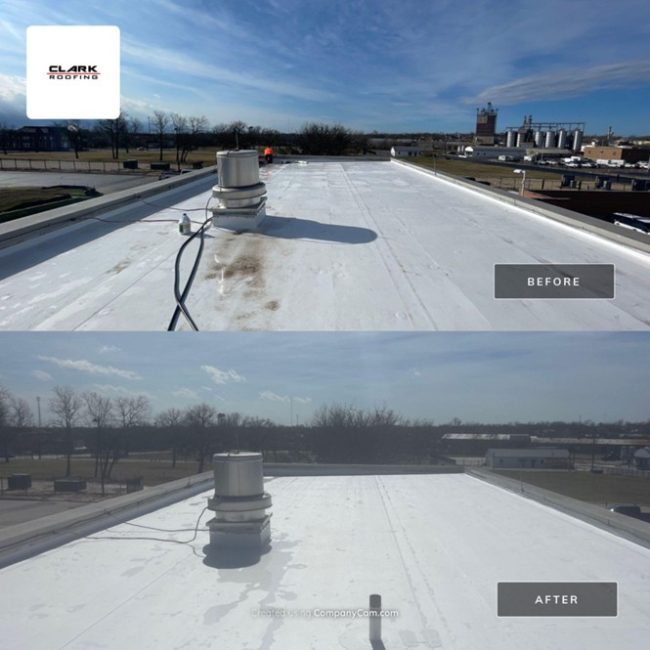
When you’re deciding between single-ply roofs and built-up roofing (BUR), you’re really choosing how your building will handle exposure to rain, standing water, temperature swings, and daily wear over time.
What is single-ply roofing?
Single-ply roofing is essentially made up of large sheets for low-slope roofs. These sheets cover more area, so you end up with fewer seams compared to traditional asphalt roofing. That reduces the number of vulnerable joints, so you don’t have to worry too much about your commercial roof leaking.
Single-ply roofing is also easier and safer to install because it doesn’t involve torches or hot asphalt. Plus, many of the components come prefabricated, which helps speed things up and keeps everything more consistent from start to finish.
When it comes to single-ply roofs, you’ve got a few solid options to choose from for your commercial building.
TPO roofing
Thermoplastic polyolefin is installed by heat-welding the membrane at the joints, which creates a tight, sealed bond between sections. That reduces the risk of water getting in and helps crews move faster during installation.
Waco gets long, hot summers with strong sun exposure, so roofs absorb a lot of heat during the day. A reflective TPO surface helps push that heat away instead of letting it soak into the building.
PVC roofing
You’ve likely seen polyvinyl chloride or PVC roofs on restaurant buildings and similar businesses, and there’s a reason for that. This flexible roofing membrane holds up well against chemicals and grease. Plus, it reflects sunlight, helping you maintain stable indoor temperatures.
EPDM roofing
You’ll often find EPDM on low-slope buildings. It’s a synthetic rubber roofing membrane that’s tough and long-lasting, so it’s durable and holds up well in hail-prone and cold-temperature areas.
If you’re considering single-ply roofing, work with experienced roofing contractors in Waco, TX. At Clark Roofing, our team has hands-on experience with TPO and PVC systems, so you can expect proper installation and long-lasting results for your commercial building.
What is built-up roofing (BUR)?
A flat built-up roof is a layered system that builds up protection for your commercial building. These multiple layers work together to deliver a durable, weather-resistant surface.
There are specific ways to make this type of roof:
- Multi-layer asphalt and fabric system
The built-up roof membrane is composed of alternating layers of asphalt and reinforcing fabric. So, you get a thick, durable barrier that handles heavy wear over time. - Gravel or coated top layer
There’s gravel or a protective coating on the top layer of BUR. With this feature, your roof gets more protection from weather exposure and UV rays. - Traditional flat roof setup
To build a standard flat built-up roof,roofing contractors usually start with a base sheet that they place over polyisocyanurate (polyose) insulation or a cover board. From there, they secure the layer with mechanical fasteners to keep everything in place. This base sheet also adds a layer of waterproofing to your commercial building. At the same time, it provides a solid surface for the following layers to bond with hot asphalt.
Understanding the differences: Single-ply vs built-up roofing
If you’re deciding between single-ply roofing and a built-up roof membrane, it helps to look at how they compare side by side.
| Feature | Single-ply roofing | Built-up roofing (BUR) |
| Material type | Single-layer membrane (TPO and PVC) | Multiple layers of asphalt and reinforcing fabric |
| Installation process | Faster, cleaner installation with heat welding or adhesives | More time-intensive with a layered application using asphalt |
| Seams | Fewer seams due to large sheet sizes | More layers, but seams are reinforced through layering |
| Durability | Strong, flexible, and resistant to UV and weather | Very durable due to thickness and multiple protective layers |
| Maintenance | Easier to inspect and repair | Repairs can be more complex due to multiple layers |
| Weight | Lightweight, puts less stress on the structure | Heavier system that may require structural consideration |
| Energy efficiency | Reflective options help reduce cooling costs | Depends on surface (gravel or coating), less reflective by default |
| Best for | Modern commercial buildings need efficiency and flexibility | Buildings that need a thick, long-lasting roofing system with added protection |
Advantages and disadvantages of single-ply vs built-up roofing
Now that you’ve seen how these systems compare, let’s break down what you can expect from each one in real-world use.
Single-ply roofing: Pros and cons
Advantages
- Quick and straightforward installation
Since it uses large sheets, the process is faster and less disruptive. - Lightweight
It puts less stress on your building’s structure, which can be helpful for certain properties. - Energy efficiency
Many options, like TPO and PVC, reflect sunlight and help reduce cooling costs. - Flexibility
Single-ply roofs handle temperature changes well, which lowers the risk of cracking.
Disadvantages
- Puncture risk
Because it’s a single layer, it can be more vulnerable to damage from foot traffic or sharp objects. - Seam performance matters
While there are fewer seams, proper installation is critical to avoid leaks. - Shorter track record (for some materials)
Compared to BUR, some single-ply systems haven’t been around as long.
Built-up roofing (BUR): pros and cons
Advantages
- Excellent durability
Multiple layers create a strong, long-lasting barrier against the elements. - Built-in redundancy
If one layer gets damaged, the others still provide protection. - Good resistance to foot traffic
Its thickness makes it more forgiving in high-traffic areas.
Disadvantages
- Heavier system
The added layers increase weight, which may require structural considerations. - Longer installation time
The layered process takes more time and can be more disruptive. - More complex repairs
Fixing issues can be trickier because of the multiple layers involved. - Less reflective by default
Unless coated, it may absorb more heat compared to reflective single-ply options.
Which roofing system is best for your commercial property?
At this point, you’re probably wondering which commercial roofing system actually makes the most sense for your building. The truth is, it depends on a few key factors. Let’s walk through them so you can make a confident decision.
Budget considerations
Single-ply systems like TPO are usually more budget-friendly upfront and quicker to install, which can help keep labor costs down. Built-up roofing can cost more due to the materials and time involved, but it may pay off if you’re prioritizing long-term durability.
Building structure
If your structure benefits from a lighter roofing system, single-ply is often a better fit. On the other hand, a layered system like BUR may be better when your building can support more weight, or you prefer a thicker, layered system.
Climate
In hotter areas like Waco, Texas, reflective roofing systems like TPO can make a noticeable difference. They reflect heat, helping you manage indoor temperatures as they reduce strain on your cooling system.
Maintenance expectations
Single-ply roofs are generally easier to inspect and repair. Built-up systems are durable, but repairs can take a while when something goes wrong.
Why choose Clark Roofing for commercial roofing in Texas?
At the end of the day, there isn’t a one-size-fits-all answer on which commercial roofing fits. The right choice depends on your building and budget, and how you plan to use and maintain the space.
If you’re not sure where to start, we’re here to help. At Clark Roofing, you get a reliable commercial roofing service from seasoned roofers with hands-on experience working with single-ply and built-up options. We can guide you through what makes the most sense for your property.
Give us a call at 254-374-4477 today to schedule a free commercial roof inspection and get expert advice tailored to your building.