
When Should You Get a Residential Roof Inspection Done?
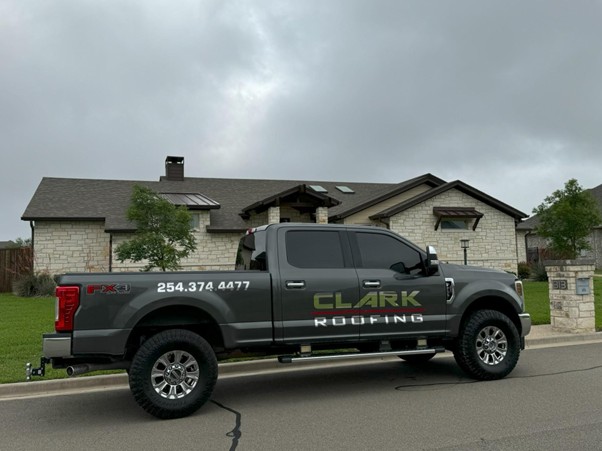
You won’t usually notice roof problems until repairs become expensive. The good news is that periodic residential roof inspections let you recognize trouble before it turns into serious damage, helping protect both your home and its long-term value.
Why a residential roof inspection is important
Catch small problems early
A roof inspection helps you identify minor issues like loose shingles and small leaks before they worsen. With roofing companies in Waco, Texas, you can address these concerns early to avoid costly repairs caused by water damage and mold growth.
Protect your home’s structural integrity
Your roof plays a key role in protecting the structure beneath it. With roof damage inspection, you can uncover hidden problems and fix them as soon as possible. This proactive approach prevents moisture from reaching the framing and insulation, helping keep your home strong and stable.
Improve safety and energy efficiency
A well-maintained roof reduces your risk of hazards such as falling materials or weakened sections. With residential roofing contractors, you can easily identify gaps and damaged insulation, along with ventilation issues that can affect your indoor comfort. Plus, they can fix these problems promptly to help maintain consistent temperatures and lower your energy costs over time.
When to inspect your roof
A residential roof inspection done at the right time can help you catch issues before they turn into major and expensive repairs. It also allows roofing contractors to perform timely house roof repair to protect your home and save you money down the road.
Twice a year: spring and fall inspections are smart homeowner habits
Schedule your roof inspection in spring and fall so you can stay ahead of seasonal wear. In the spring, you can catch damage left behind by winter. Meanwhile, fall inspections ensure that your roof is ready for the colder months ahead.
After major weather events
Anything from severe storms and hail to strong winds can loosen shingles and damage flashing, even expose weak spots in your roof. You can’t usually see these issues from the ground, so it’s best to call roofing contractors like Clark Roofing to confirm whether your roof is still intact and protecting your home properly.
Before and after winter
Cold temperatures cause your roofing materials to expand and contract, putting extra pressure on the shingles and flashing. By inspecting your roof before winter, you can prevent cold-weather leaks. Meanwhile, a post-winter check lets you identify damage caused by freeze-thaw cycles.
Step-by-step roof inspection guide
With Clark Roofing, you don’t have to handle roof inspections on your own. Our professionals follow a thorough process to make sure nothing gets overlooked, and then recommend practical solutions if we uncover damage. Here’s what you can expect during your residential roof inspection:
We start with a ground-level check
Our roofing contractors will begin by walking around your home. They scan for fallen shingles and debris, or even bare spots where materials may have broken off. Using binoculars, they can also look for moss and leaf buildup on the roof surface. This is the perfect time for you to point out any leaks or visible concerns you’ve already noticed.
We inspect from the ladder
Next, our roofing contractors move closer to your roof. They examine everything from the shingles to the flashing and chimneys for cracks and blistering, as well as any loose sections. They will also take a look at roof features like the skylights and vents, checking for corrosion or signs of wear that could lead to leaks.
We check from the attic
Inside your attic, our roofing contractors look for water-related issues like stains or streaks on ceilings and walls. They also assess how well air is flowing to spot ventilation problems that can trap moisture and accelerate material breakdown.
Document and decide
Our inspectors photograph and measure every issue, and then compile everything into a detailed report for your records. This documentation is especially important when you need a roof inspection for home insurance claims and planning the repairs. With clear findings in hand, you can decide what needs immediate attention and schedule repairs with confidence.
Average cost of a residential roof inspection
In Texas, you can expect to pay around $138 to $690 for a professional roof inspection, with the average price being $253. This price range often depends on your roof’s size and slope, as well as the inspection type. But with Clark Roofing, you can get a residential roof inspection at no cost!
Also Read: Importance of Roof Inspection
Conclusion
Besides keeping costly repairs at bay, residential roof inspections help protect your home’s structural components and maintain long-term property value. When you check your roof in a timely manner, such as after major weather events, you can catch issues early and address them before they worsen.
That said, always prioritize your safety during roof inspections. When needed, call a professional and let a trained eye spot hidden damage and guide you on the next steps with clarity.
Need to check your roof? Give us a call today at 254-374-4477 to schedule your roof inspection or request a free estimate.
FAQs
How long does a roof inspection take?
Most professional roof inspections take 45 to 60 minutes. The exact timing depends on your roof’s size and layout, as well as its overall condition.
Why should I hire a local roofing contractor to inspect my roof?
There are clear benefits to working with a Texas-based contractor like Clark Roofing:
- Texas-specific experience – We understand local weather can affect your roofing system. Plus, you can benefit from our familiarity with state and municipal building codes.
- Insurance support – We can conduct a roof inspection for home insurance purposes. With our documentation, you can make the claims process smoother.
- Faster response times – Nearby crews can reach your home quicker, especially after a storm or unexpected damage.
Besides major weather events, when should I schedule a roofing inspection?
Plan for a roof inspection at least once a year. Seasonal checks, especially in spring and fall, help you uncover weather-related wear. It’s also smart to book an inspection when filing an insurance claim or before purchasing a home, so you understand the roof’s condition before making big decisions.