
What Is a Built-Up Roof? Benefits, Types, and Installation
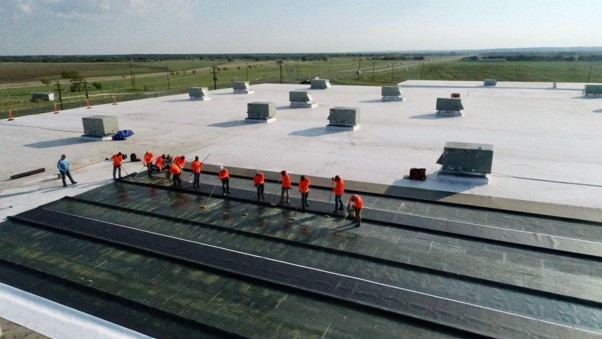
If you’re looking for durable roofing for your building, a built-up roof can be a great choice for its waterproofing and long-term protection. In fact, it’s one of the most widely used flat roofing systems for commercial buildings. Its proven performance is one of the reasons why many property owners trust it for dependable protection against the elements.
What Is a Built-Up Roof?
With built-up roofing (BUR), you get a flat or low-slope roof system made up of multiple layers of roofing materials bonded together with asphalt or bitumen. Waco roofing companies install these layers one at a time to give your property a durable, protective membrane across the roof surface.
In a typical BUR system, you’ll find alternating layers of reinforcing fabrics and asphalt. This is topped with a protective layer of built-up roof material such as gravel or mineral granules, and in some cases a reflective coating. Each layer contributes to the overall strength and performance of industrial commercial roofing.
This multi-layered design is one of the main reasons to choose a built-up roof for retail commercial roofing. Provided that it’s properly installed, this layered roofing system can give your building:
- Increased durability
- Enhanced waterproofing
- Added protection against weather and everyday wear
Built-up roof material can protect your building for many years with a durable, proven roofing system.
Types of Built-Up Roof Systems
A contractor may recommend different built-up roofing (BUR) systems depending on your building’s requirements and conditions for installation.
Asphalt built-up roofs
The asphalt-built-up roof is the most traditional form of BUR roofing. It uses alternating layers of roofing felts and asphalt that give your building a durable, waterproof membrane. Contractors typically finish the system with gravel or a mineral-surfaced cap layer to protect it from UV exposure and weather damage.
Cold built-up roofing systems
Instead of heated asphalt, cold build-up roofing systems use cold-applied adhesives to bond the roofing layers together. This installation method eliminates the need for kettles and hot materials on-site, so contractors can install your roof cleanly and safely.
Hot built-up roofing systems
Hot built-up roofing systems use heated asphalt to bond the roofing layers together. During installation, contractors apply hot asphalt between each ply to create a strong, tightly sealed roofing membrane. This method can make your roof highly durable and waterproof.
Benefits of Built-Up Roofing
With its multi-layered design, built-up roofing (BUR) provides several advantages that can help reduce maintenance concerns and protect your building.
Excellent waterproofing protection
The multiple layers of roofing materials and asphalt create a continuous waterproof barrier that helps prevent leaks and moisture damage. This added protection is especially valuable when you have flat and low-slope roofs where water can accumulate after heavy rainfall.
Strong weather resistance
With a built-up roof, your building can withstand a wide range of weather conditions, from heavy rain to strong winds and temperature fluctuations. Each layer of built-up roof material adds strength and resilience to your roof so that it performs reliably throughout the year.
Long roof lifespan and UV protection
Your built-up roof can last for decades with proper installation and regular maintenance. It can even have reflective coatings to protect it from harmful UV rays. At the same time, this extra layer of protection slows down weathering and helps extend the roof’s lifespan.
Low maintenance requirements
Because of their durable construction, built-up roofs typically require less maintenance than some other commercial roofing systems. You just need to keep up with regular inspections and routine upkeep so you can address minor issues before they turn into costly repairs.
Durable for high-traffic roof areas
Built-up roofing systems are designed to handle foot traffic better than many single-ply roofing options. With a thick, multi-layered structure, they can easily resist punctures and surface damage. This makes them practical when people frequently use your rooftop.
Step-by-Step Built-Up Roof Installation Process
Step 1: Roof surface preparation
- Inspect the roof deck for damage.
- Remove debris and make necessary repairs.
- Ensure that the surface is clean and dry before installation
Step 2: Installation of the base roofing layer
- Install the base sheet over the prepared roof deck.
- Create a foundation for the roofing system.
Step 3: Asphalt or bitumen layers
- Apply hot asphalt or cold-applied bitumen.
- Bond the roofing components together and improve waterproofing.
Step 4: Ply layer installation
- Install reinforcing ply sheets between asphalt or bitumen layers.
- Build strength and increase resistance to water penetration.
Step 5: Protective roof surface finishing
- Apply a protective top layer, such as gravel or a coating.
- Protect the roof from UV rays and wear.
Step 6: Final roof inspection and site clean-up
- Inspect the completed roof for quality and performance.
- Remove equipment and leftover materials, as well as debris from the site.
Key Factors That Affect Built-Up Roof Installation
Roof condition evaluation and inspection
Your contractor should assess the roof’s condition before installing your built-up roof. This gives them the chance to:
- Identify signs of damage
- Inspect the roof deck
- Check for structural issues that can affect the built-up roof material.
Local permit, building code, and insurance requirements
Contractors should verify all regulations before starting work to ensure that their commercial roofing installation meets safety and performance standards. At the same time, you must review your insurance requirements to ensure that your built-up roofing meets your provider’s specifications.
Why Choose Clark Roofing for Built-Up Roofing Services?
When you work with Clark Roofing, you benefit from a built-up roofing (BUR) system that’s installed by experienced roofing specialists. You also won’t have to look elsewhere for:
- Roof inspections and maintenance
- Reliable built-up roof repair
- Long-term roofing support
Get a Free Consultation for Your Roofing Project
Get in touch with us here at Clark Roofing if you’re interested in installing a built-up roof or need reliable inspections and maintenance services for your current BUR system. Schedule your free consultation by giving us a call at 254-374-4477.